Search Website
Close
-
YMCA
-
About Us
-
Campaigning
-
YMCA during war
Back -
-
What we do
-
Get Involved
-
Shops
-
YMCA
-
About Us
-
Campaigning
-
YMCA during war
Back -
-
What we do
-
Get Involved
-
Shops
Mental Health
Helping young people with mental health needs
Looking after your mental health is one of the most important things you can do for yourself. Why? Because problems with your mental health can affect every part of your life: your relationships with friends, family, classmates, co-workers or anyone else. They can also create problems with the way you feel about yourself.
Recognising mental health problems.
Lots of things can signal a mental health problem: depression, anxiety, eating problems, bipolar disorder, and obsessive-compulsive disorder, suicidal feelings or self-harm, to name just a few.

Close
So what can you do to look after your mental wellbeing?
Some of the ways to look after your mental wellbeing can include getting a change of scenery, listening to music, connecting with others, getting some peace and quiet or a bit of privacy.
Taking care of your physical health, like trying to make sure you’re eating and sleeping enough. Connecting with nature by going for a walk.
Doing things you enjoy like being creative or watching your favourite TV show. Or just sitting down and taking a few slow, deep breaths.

Close

Getting help with your mental health
Spending time with people you like – friends, family or partners, and enjoying doing things together – is a good way of helping yourself, especially if you’re used to spending a lot of time alone. Just talking to other people can take your mind off your problems.
And if you need to, don’t be reluctant to ask for their help. Your mental health is important.
How YMCA can help
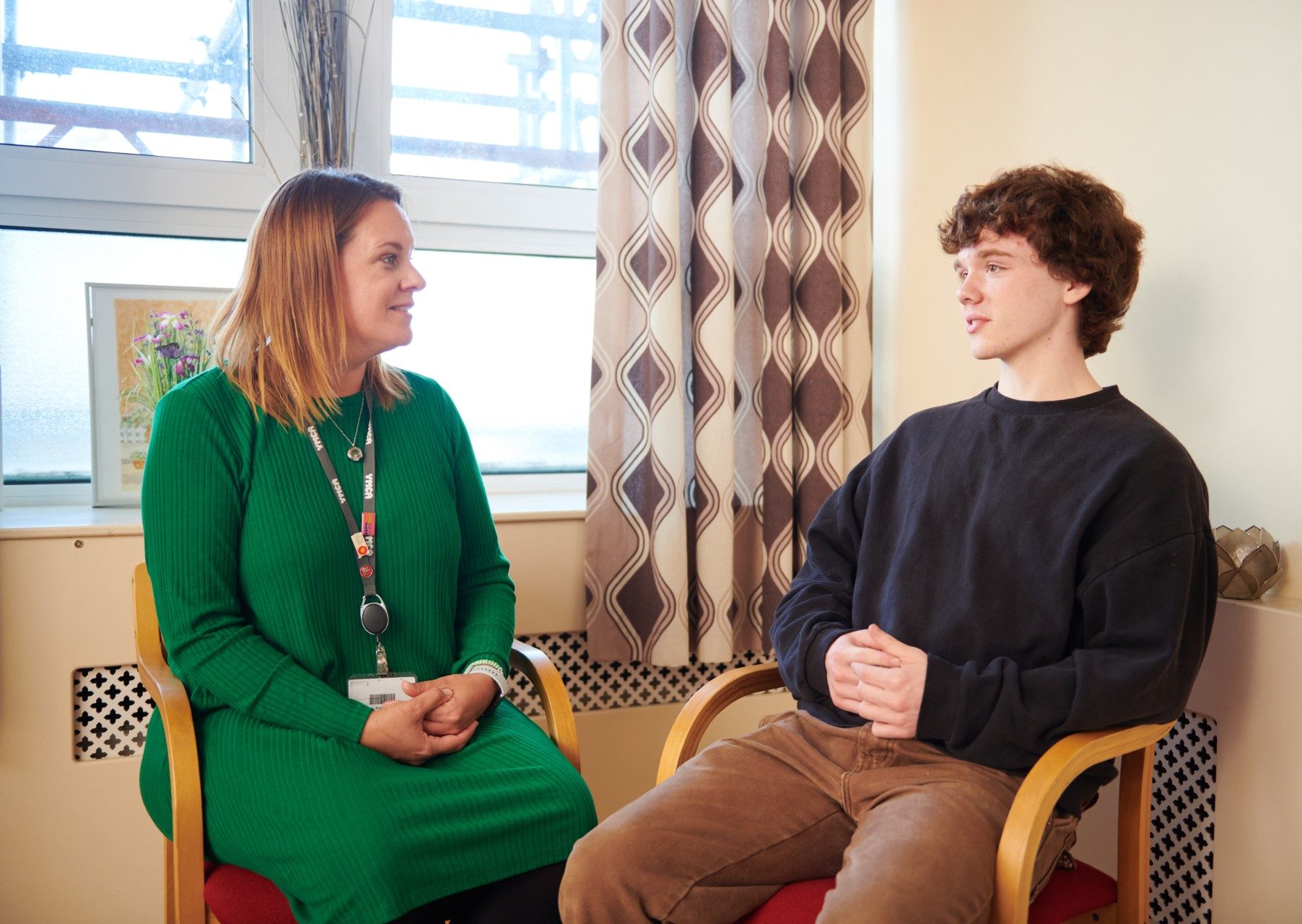
It could be that you’re feeling desperate and don’t know who to turn to, or you just need some guidance to think an issue through and make a good decision.
Either way, YMCA offer a safe place to talk and get help through guided groups, mentoring, counselling, and mental health services.
Sometimes people have experienced real trauma and have nowhere left to turn, and sometimes they just need some guidance to think an issue through and make a good decision. Whatever the situation, YMCA provides qualified guidance to help 69,135 people build — or rebuild — their belief in themselves and a bright future.
Looking after your overall health and wellbeing is vital to support your mental health.
So you might like to know that YMCA provides Health & Wellbeing facilities like gyms, sport and recreation for fitness, and community hubs for classes, social connection and collaborations.
Through our work across England and Wales, YMCA is the largest voluntary sector provider of services promoting health and wellbeing. YMCA engages 107,351 people each year through our Health & Wellbeing work.

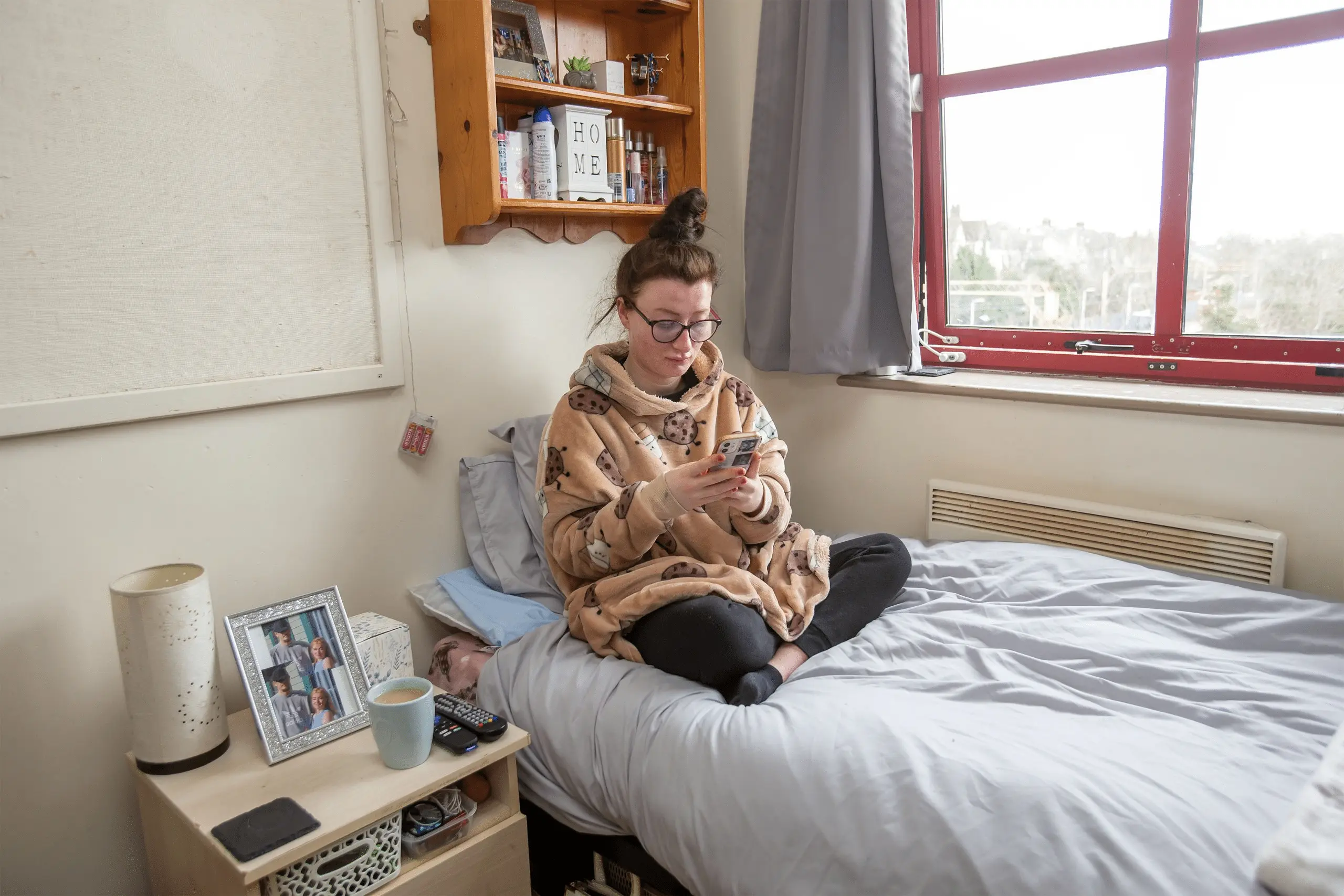
Having somewhere safe to call home can make a crucial difference to your mental health. This is why YMCA also provide safe, affordable places for young people to live that feel like home and focus on community spirit and togetherness.
YMCA is the largest provider of safe, supported housing for young people in England and Wales. We offer 10,432 beds, including emergency housing, supported longer-term housing, and supported hostels and foyers.

Having opportunities to gain qualifications, skills and employment can go a long way towards supporting your mental health. Which is why YMCA young people with opportunities to fulfil their potential and gain meaningful employment.
We help with CV writing, interview skills, self confidence and motivation, and connect people to local companies for apprenticeship and employment opportunities. Our goal is to see people thrive as they contribute to the community where they live and work.

YMCA provides qualified guidance to help young build — or rebuild — their belief in themselves and a bright future.
0
young people receive guidance and support from YMCA England & Wales each year

Mental Health Support
If you need help with your mental health, please visit our support and advice page

YMCA Help & Advice
Here you’ll find a wealth of advice on matters related to mental health:


Mental Health FAQs
Frequently asked questions relating to mental health:
In plain language, mental health is a state of emotional, psychological and social wellbeing. Mental wellbeing means it’s normal to have different emotions, to sometimes feel bothered by things or worried, or upset, just as it’s normal to feel especially happy about some things, or confused, or uncertain.
Having good mental health affects how you feel about everything in your life. It affects how you feel when you get up in the morning, how you cope with everyday ongoing changes, how you handle stresses and make decisions, and how you feel emotionally in different situations.
We’re all different, so something that disturbs how you’re feeling may not affect someone else in the same way, if at all. Then again, the things that do affect us might affect us in different ways and at different times. Problems at home, school, college or work are often cause for concern, as are problems we might experience with our physical health. Even factors like housing can have a huge impact on our mental health.
While not every mental health problem can be prevented, proactive measure to maintain good mental wellbeing can reduce the risk of developing them in the future. This can include but is not limited to: practising mindfulness, regular exercise, maintaining a healthy diet, getting adequate sleep and managing stress.