Search Website
Close
-
YMCA
-
About Us
-
Campaigning
-
YMCA during war
Back -
-
What we do
-
Get Involved
-
Shops
-
YMCA
-
About Us
-
Campaigning
-
YMCA during war
Back -
-
What we do
-
Get Involved
-
Shops
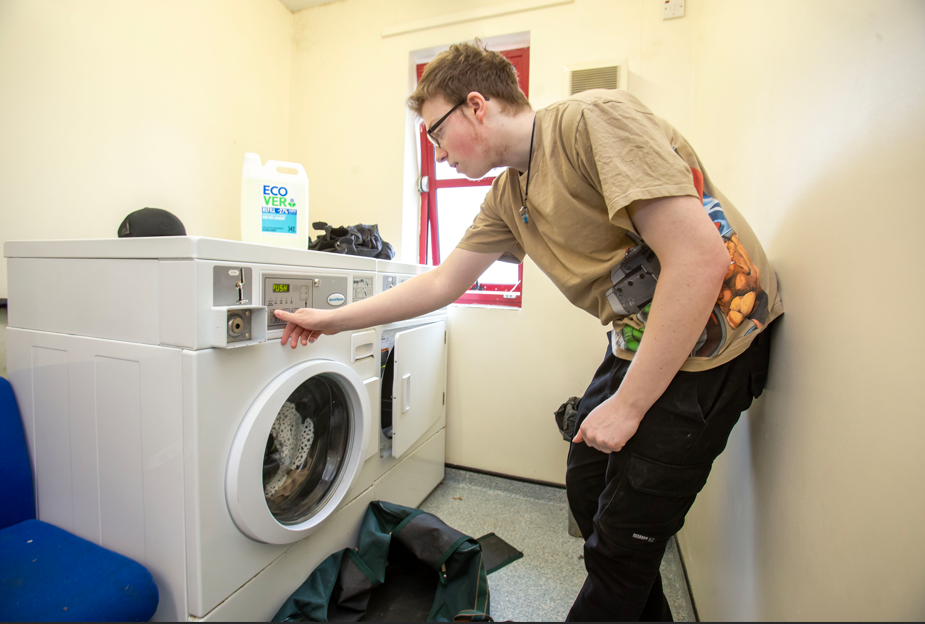
There’s a great deal more to ‘life skills’ than you might think.
They’re not just about ‘skills’ in the sense of knowing how to do things. They also involve deeper and more subtle things such as how you think of yourself, what makes you the person you are, and how you approach life in general.
In other words they’re as much about your ‘life’ as they are about the ‘skills’ you have.
What are life skills?
You could think of them as useful abilities that can make all the difference to your life in all kinds of ways. They can do this because they cover a wide range of social, cognitive, and emotional coping skills.
In fact altogether they can help you handle the demands and difficulties of daily life effectively, besides heightening your well-being, and enabling you to be an active member of society.
How do life skills help personal growth?
On a basic level, they give you the opportunity to gain the necessary qualifications and abilities to find employment. The hope is that it’s not just any employment, but the kind you can become sufficiently interested in so that besides learning how to do a job well, you can also enjoy what you do.
But importantly, life skills aren’t just about finding the right job to occupy your time and bring in a wage, they also include how you think about things, how you make decisions and solve problems, how you cope with stressful situations, how you set goals for yourself, manage your finances, and take responsibilities for things. They’re also about how you’re able to communicate – and interact with – other people.
How YMCA teaches young people life skills
We describe what we do as breaking down barriers that might be stopping people from fulfilling their potential. To us it’s important that we can give young people the support they need to develop the self-confidence to tackle what they might see as challenges. To help them feel motivated so they can overcome doubts they may have about themselves.
This might mean just helping them with CV writing or developing interview skills. On the other hand some YMCAs provide education and training, whereas others work with local partners and support people into such programmes by connecting people to local companies for apprenticeship and employment opportunities.
This support can include work experience placements or opportunities, Jobcentre training schemes, foundation programmes, apprenticeships, further education (e.g. A-level, GNVQ, BTEC) and undergraduate degrees.
Our goal is to support people to fulfil their potential, creating pathways to both the workplace and further education; to see people thrive as they contribute to the community where they live and work.
YMCA enables 23,886 to engage Training & Education programmes every year
This includes basic life skills training for 4,392 participants each year. We also offer a range of short courses for people to gain the confidence to enter and develop in the world of work and in their own lives. We want young people to feel motivated to deal with whatever they come up against tackle the challenges they face in employment and at home.
These courses can include such things as basic life skills, literacy and numeracy skills, and even ICT skills, financial planning and budgeting, and work and employment skills.
For some younger pupils, we provide extra and specialist support for those at risk of exclusion through pupil referral units and alternative education sites.
Whatever the situation, our firm belief is that everybody should have somebody who supports them when needed. In this respect, every year YMCA provides qualified guidance to help 69,135 people build – or rebuild – their belief in themselves and a bright future.