Search Website
Close
-
YMCA
-
About Us
-
Campaigning
-
YMCA during war
Back -
-
What we do
-
Get Involved
-
Shops
-
YMCA
-
About Us
-
Campaigning
-
YMCA during war
Back -
-
What we do
-
Get Involved
-
Shops

How YMCA is helping young people find work and gain new skills
YMCA is proud to offer young people in England and Wales opportunities to gain qualifications, skills and employment.
Through training and learning programmes that build qualifications, skills, and pathways into work, YMCA removes barriers to education and employment. This enables people to reach their potential and secure meaningful jobs.
From CV support and interview coaching to building confidence and motivation, we provide practical help and connect people with local employers for apprenticeships and job opportunities. Our vision is for young people to thrive and play an active role in the communities where they live and work.

Close
YMCA’s training and learning programmes enabled 23,886 people to fulfil their potential through formal qualifications or acquiring skills, creating pathways to both the workplace and further education.
YMCA’s services includes (number of participants):
- Work experience placements or opportunities – 676
- JobCentre training schemes – 250
- Foundation programmes – 358
- Pre-apprenticeships / traineeships – 159
- Apprenticeships – 1,182
- Further education (e.g. A-level, GNVQ, BTEC) – 186
- Undergraduate degrees – 67
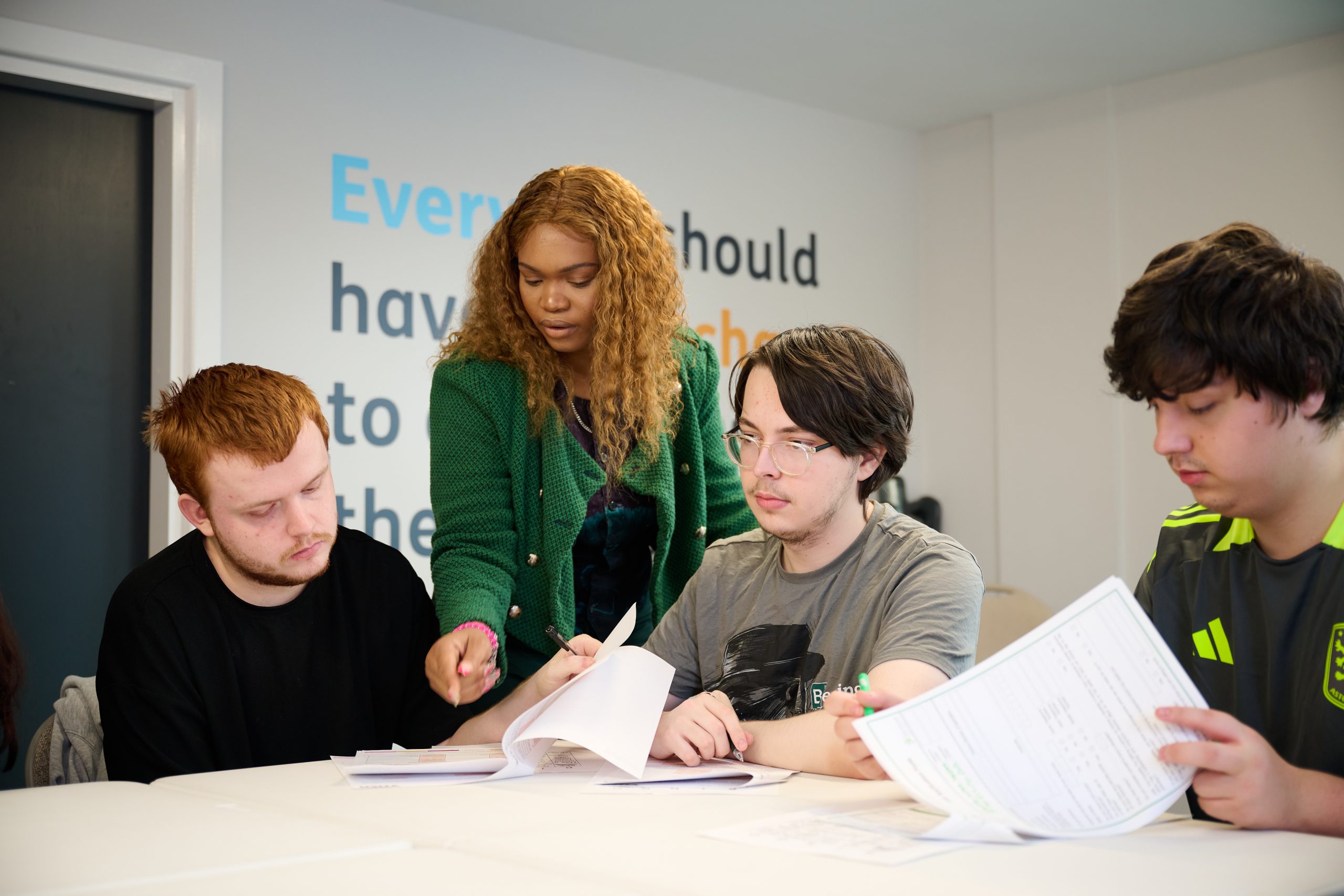
How YMCA is helping young people with training & education
Some YMCAs provide education and training themselves; others work with local partners and support people into such programmes, for example by connecting people to local companies for apprenticeship and employment opportunities.
We offer a range of short courses for people to gain the confidence to enter and develop in the world of work, as well as in their own lives.
Our goal is for young people to feel motivated to tackle the challenges they face in employment and at home.
YMCA’s services includes (number of participants):
- Basic life skills training – 4,392
- Literacy and numeracy skills – 1,361
- ICT skills – 1,133
- Financial and budgeting training – 3,728
- Work and experience skills – 3,067
Make a donation
We’re proud to be supporting 708 communities in England and Wales
0
young people helped through qualified guidance at YMCA every year
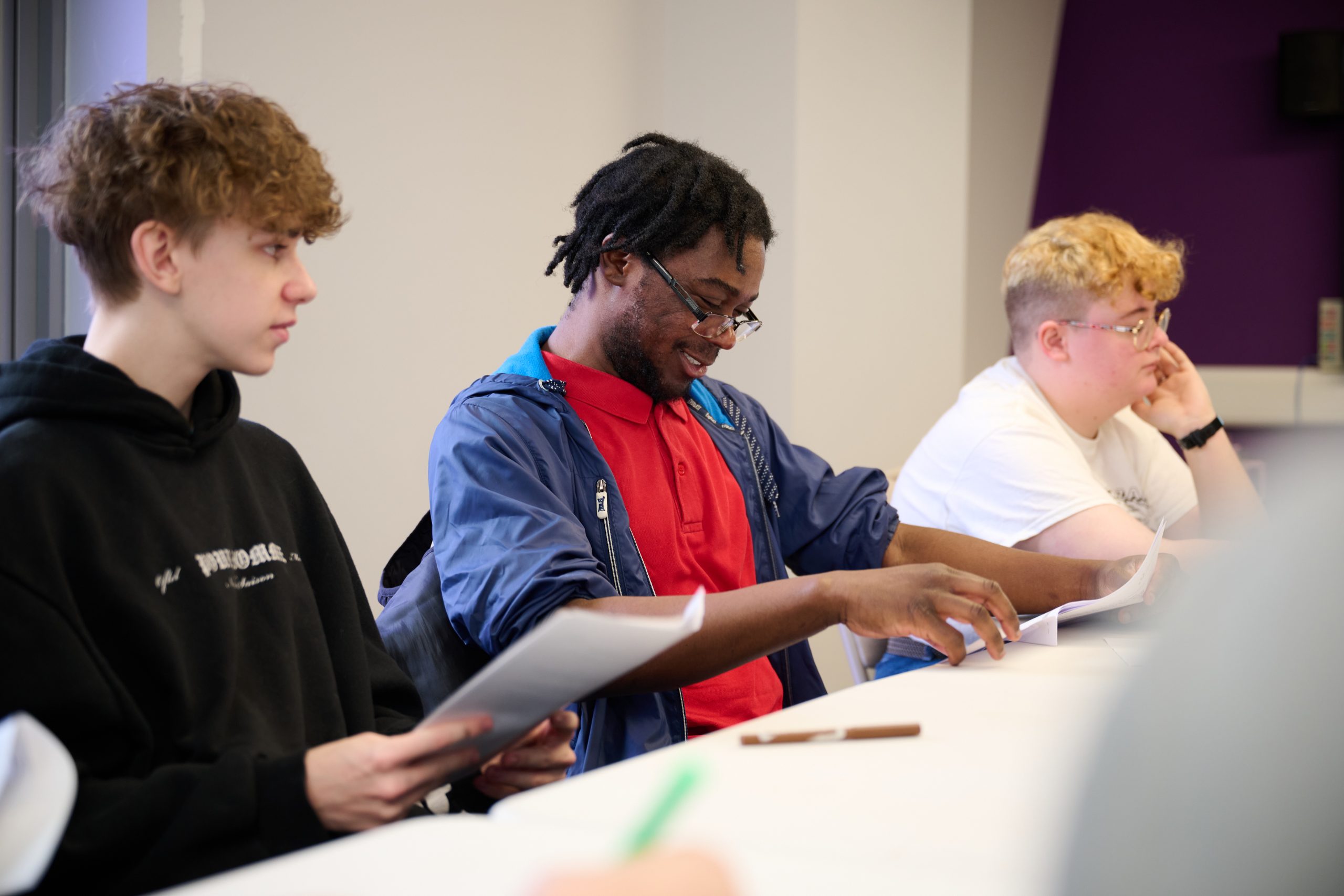
YMCA is so much more than somewhere to live.
Through one-to-one sessions with key workers, group programmes and courses, residents and young people learn the tools and skills to live independently and build towards a promising future.
Our research
We explored the impact of the benefits system on young people living in supported accommodation and their ability to work
We undertook this research to find out about how young people living in YMCA supported accommodation have experienced the barriers to work created by the benefits system.
We aimed to hear young people’s experiences and opinions, to consider the causes of these barriers, and to propose practical recommendations which will resolve these problems.

Early years education faces rising demand as 30 funded hours are introduced from September 2025 for children aged nine months and over. Meeting this demand depends on a sufficient supply of qualified staff.
Yet qualification numbers are falling, with sharp declines in Level 3 and degree achievements leaving enrolments at a decade low. This shrinking workforce risks undermining the expansion of funded hours.
Delivering near-universal childcare will require significant government investment to support recruitment and retention in a sector under strain.

The world of work is changing rapidly, with AI and the transition to Net Zero reshaping the skills needed for future jobs. Young people must be adaptable and equipped to succeed despite uncertainty.
Skills shortages already reduce productivity and could cost the UK £120 billion by 2030. Meeting Net Zero targets will require a green workforce to deliver two million green jobs by 2030, but this depends on inspiring young people to develop the right skills now.
Apprenticeship participation among under-19s is falling, while many young people lack access to quality careers advice, work experience, and the soft skills needed to thrive. Greater support is needed to help young people succeed in a fast-changing labour market.
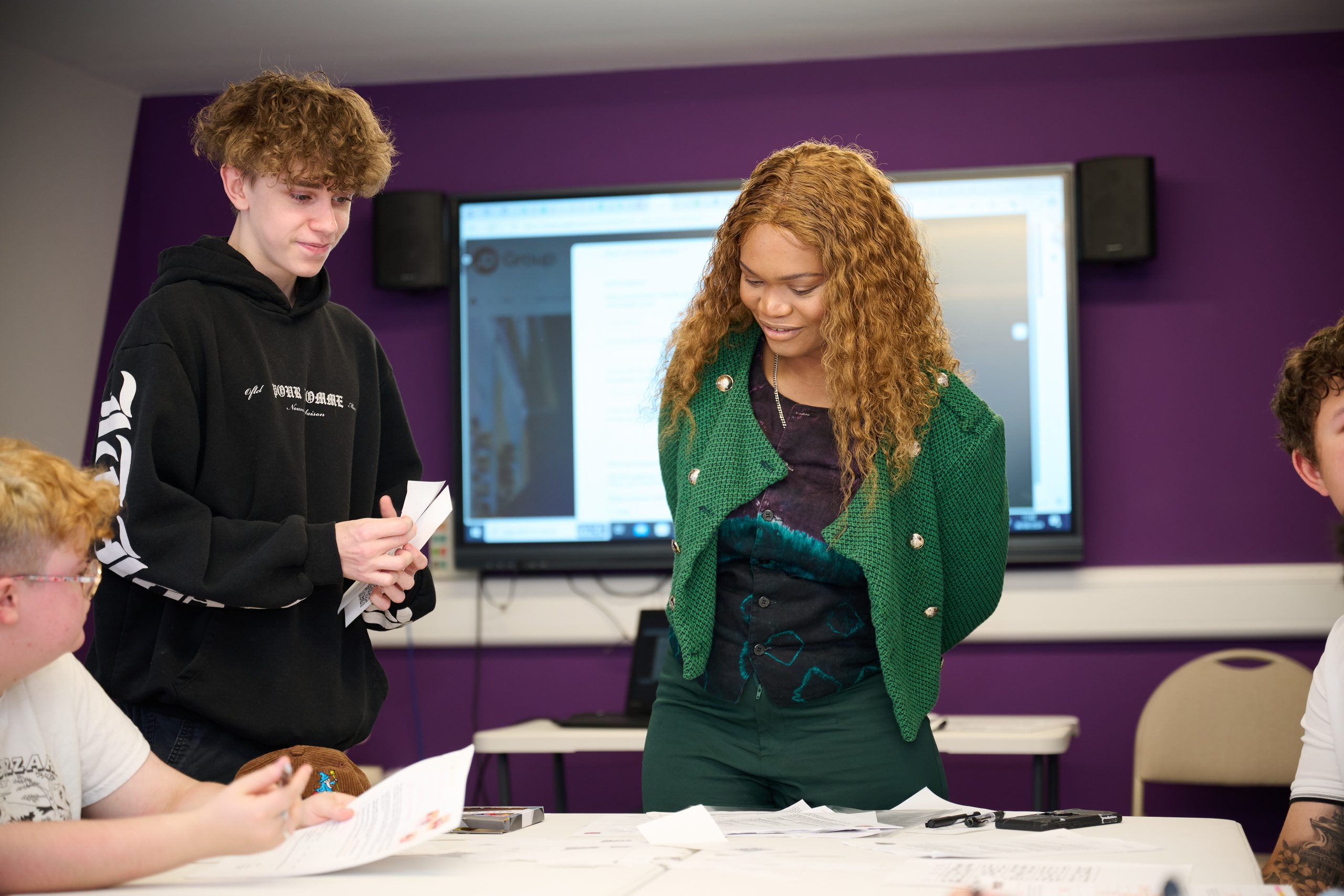
Unemployment is a huge issue for young people.
Together, we can help young people feel valued.
Frequently asked questions
Youth unemployment refers to the number or proportion of young people (typically aged 16 to 24) who are unemployed but actively seeking work and available to start.
Youth unemployment is a problem because it can have lasting effects on young people, the economy, and society. Early periods of unemployment often lead to lower pay, insecure work, and poorer job prospects later in life, as well as negative impacts on mental health and wellbeing. For the economy, high youth unemployment wastes potential, reduces productivity, and increases public spending while limiting future skills development. Socially, it can deepen inequality and leave young people disengaged from work, education, and wider society.
Unemployment can have lasting effects on young people’s lives. It can delay the development of skills and work experience, making it harder to find stable, well-paid work in the future. Prolonged unemployment is linked to poorer mental health, lower confidence, and reduced wellbeing, and can increase the risk of long-term economic insecurity. Over time, these effects can limit career progression and widen inequalities between young people.